
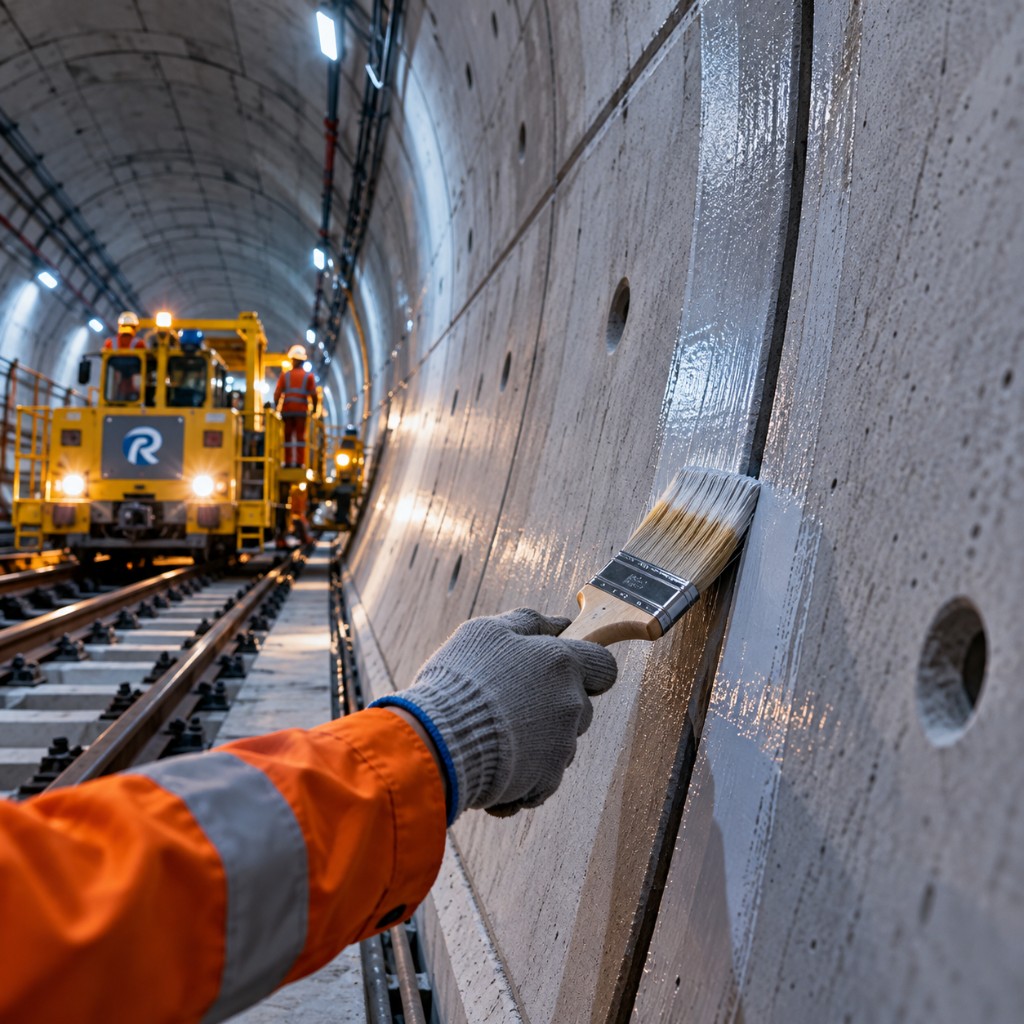
Pinkco infrastructure teams continued MRT Putrajaya Line tunnel-segment haulage, releasing night moves from port or precast yards against tunnelling cadence to avoid peak traffic and reduce urban disruption. Batch plans update in lockstep with shield-drive progress across the corridor. Documentation captured decisions for audits and owner reporting across ASEAN engineering corridors. Bonded and non-bonded inventory slots were reconciled against packing lists before gate-out to cut short-over disputes. Quality photos, serial scans and tilt indicators were archived with the batch file for insurance and warranty support.
Execution used dedicated frames to secure segments, re-checked lashing tension and anti-tip measures, and staged escorts with temporary traffic control at key interchanges. Shaft and portal lift crews pre-positioned to cut on-site waiting after arrival. Pinkco coordinators refreshed shared milestone boards so nominated contacts could track exceptions in near real time. Escort, crane and trailer resources were pre-booked against the same calendar used by site lift supervisors. Local authority permits and community notices were closed before convoys entered residential or industrial park gates.
Compliance covered road permits, night-work approvals and municipal coordination, with full document and batch-number traceability. Owner supervisors sampled pack integrity and arrival sequence to match installation order. Route, yard and customs checkpoints were reconfirmed before each wave to keep Port Klang and inland handoffs predictable. Weather and congestion advisories from the control desk fed daily toolbox talks for drivers and stevedores. The Klang HQ desk kept a single escalation path so verbal instructions could not override written method statements.
This phase completed multiple delivery waves on plan without segment damage or major traffic delays. The delay board showed average punctuality holding inside the target band. Safety stoppage thresholds for wind, visibility and traffic remained binding for every night or oversized movement. Cross-border CIQ scenarios stayed aligned with Johor Bahru and Singapore partner desks when alternate lanes were required. Steel, machinery and spare-parts waves used the same command language to reduce handoff friction between shifts.
Next, capacity reservations will tighten for peak drive weeks, reusing Selangor night-escort lessons on other urban rail project-cargo programmes. Lessons from the wave were logged into the internal playbook for reuse on similar Malaysian and Singapore-border jobs. East Malaysia barge and airfreight contingencies remained visible so energy and infrastructure owners could re-sequence work. Post-move debriefs ranked delay causes and fed the next quarterly coordination calendar for Port Klang partners.